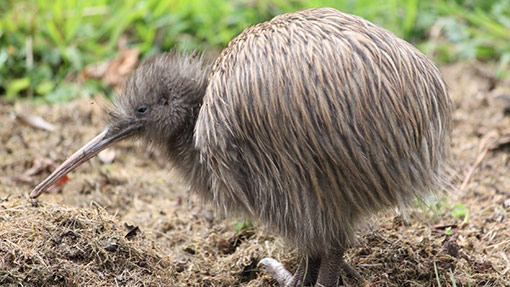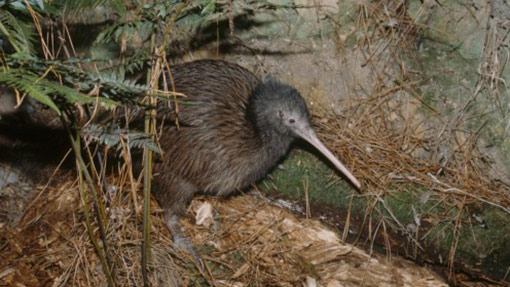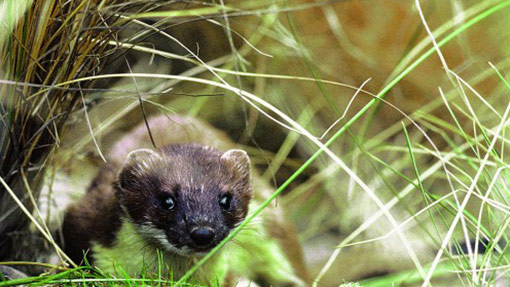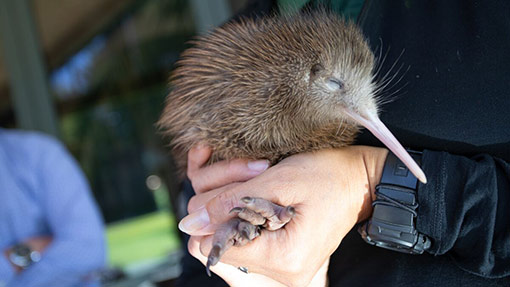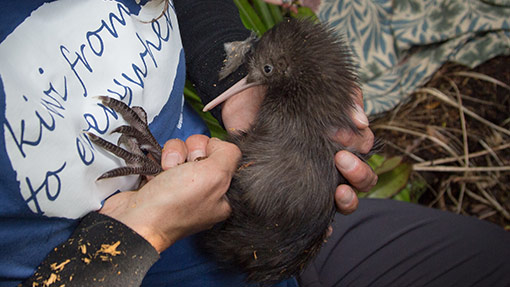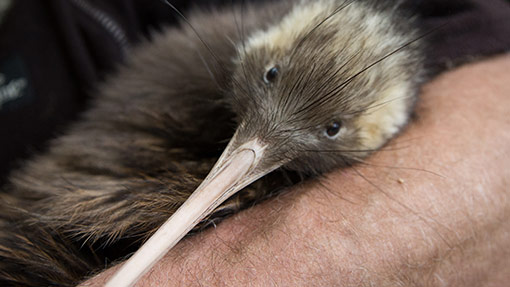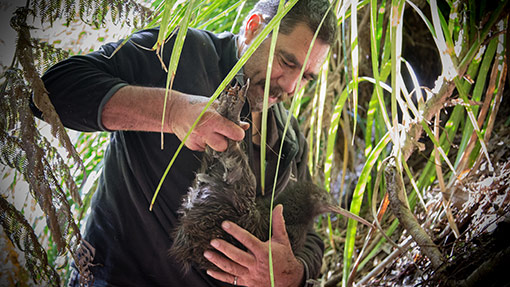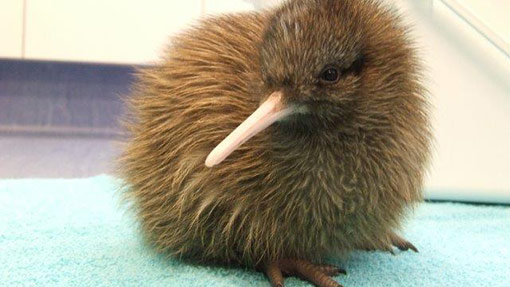
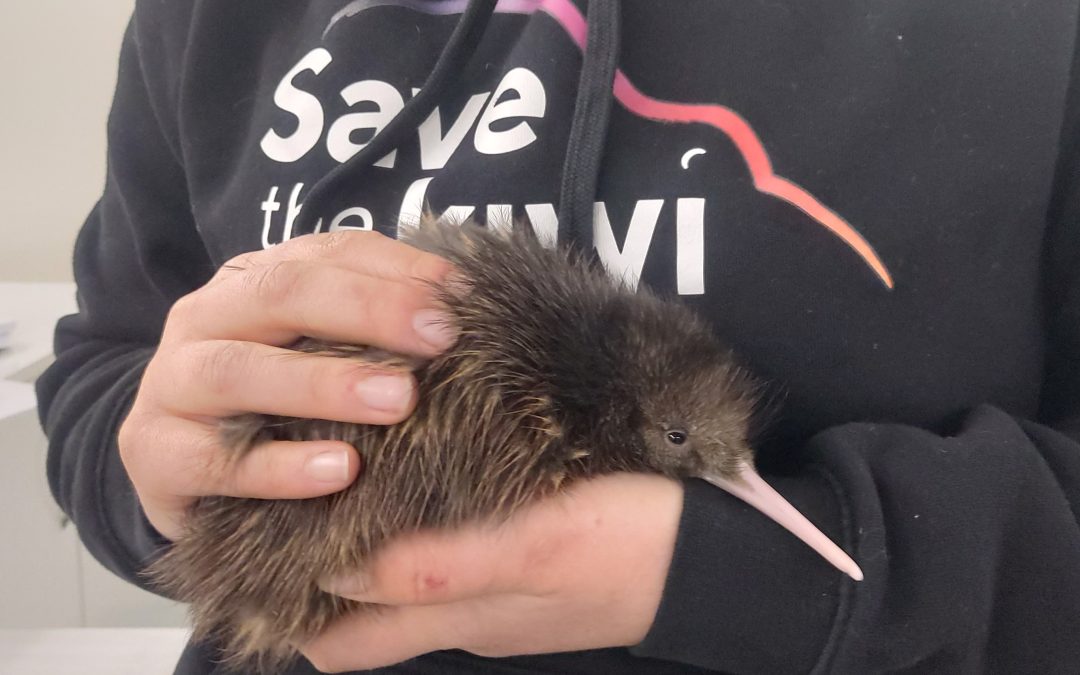
The 2026 season at the Napier Kiwi Crèche has kicked off early this year. Miriam Strachan recently joined an egg lift at Maungataniwha with our friends at the Forest Lifeforce Restoration Trust. The team found a kiwi chick in one of the nests! This bird was about a week old and returned with Miriam direct to the Napier Kiwi Crèche instead of going to a hatching facility.
Kiwi eggs are lifted from wild monitored nests and delivered to captive breeding facilities like the Gallagher Kiwi Burrow and the National Kiwi Hatchery where they can be hatched away from the threat of predators.
The Napier Kiwi Crèche has been instrumental in releasing 290 healthy kiwi chicks back to the wild, many of these supporting the growth of Eastern brown kiwi.
The chick, called Tia, will remain at the crèche until it reaches 1 kilogram, which is when they are large enough to better defend themselves from introduced predators. At this age, the kiwi such as Tia will be released back into the wild where they were lifted from as eggs. Until that time, Tia will be in an outdoor run where it can forage for naturally occurring invertebrates while being provided supplementary food.
A chick at the crèche eating from an old log naturally filled with grubs
This season, the Napier Kiwi Crèche will continue to play a key role in rebuilding Eastern Brown kiwi populations.
Tamsin Ward-Smith, Pou Whirinaki a Rohe Eastern Brown Kiwi Regional Coordinator for Eastern Brown Kiwi, is looking forward to a strong year for these kiwi “Working closely with projects like the Forest Lifeforce Restoration Trust and supporting their kiwi programme at Maungataniwha is core to what Save the Kiwi does. Community-run kiwi projects are driving kiwi recovery. They are creating safe places for kiwi and functioning as un-fenced kōhanga with kiwi naturally dispersing out into surrounding forest.”
Miriam Strachan has been working at the creche since it opened in 2020. She shares her experience raising kiwi for release, “This will be the seventh season since we opened our doors to chicks and it’s exciting every time. They’re such unique manu to work with and caring for them during this early age is incredibly rewarding. They are at the crèche for about three to four months growing to 1 kilo and when we release them, some will start investigating right out of the transport box. You watch them foraging into the night and they just look right at home.”
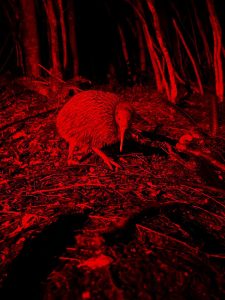
One of the previous season’s chicks at release on Maungataniwha
The team at the crèche has been keeping a close eye on avian influenza which has been detected in three New Zealand birds. Planning for heightened hygiene and response protocols have been underway since 2025 and the team are closely monitoring the situation. Protecting the young kiwi and ensuring the safety of the crèche staff remain the highest priority. The protocols will be adapted and updated as the bird flu situation unfolds.
Tamsin is optimistic about the recovery of Eastern brown kiwi, “There has been a huge increase in the number of community projects working to protect kiwi in the eastern region over the last few years, and this is really starting to pay off. Kiwi are now thriving in large landscape-scale projects such as at Maungataniwha. It is certainly an exciting time in their recovery”
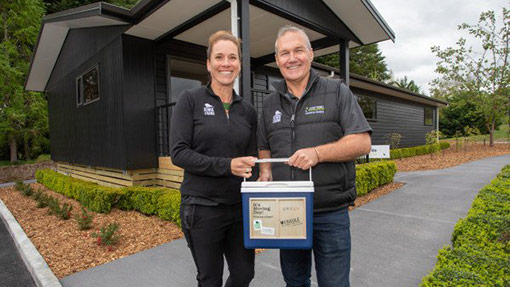
The Millennium Hotels and Resorts proudly supports the mahi at the Napier Kiwi Crèche. Millennium have developed the Manaaki programme where guests in their hotels around the country have the opportunity to opt out of room service to support the care of a chick at the crèche.