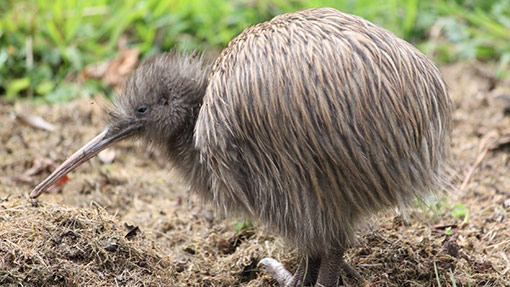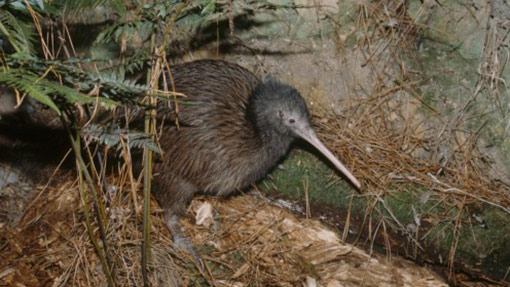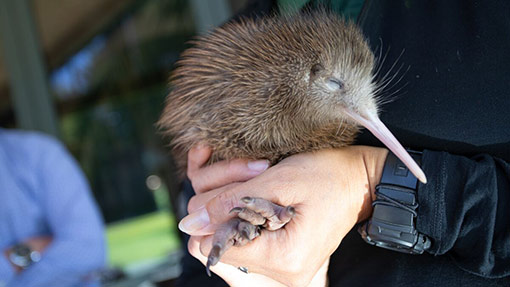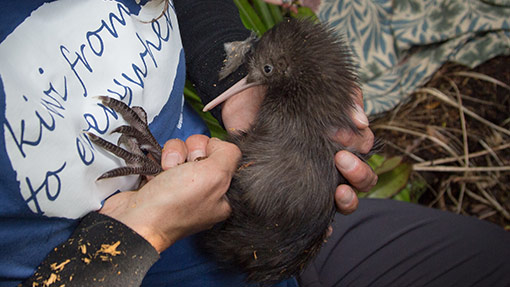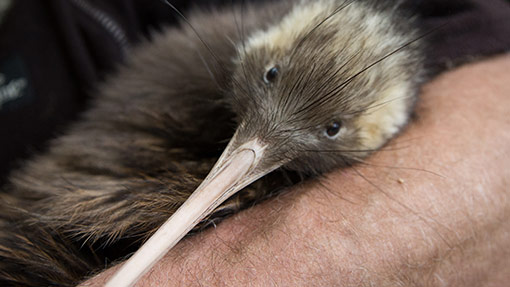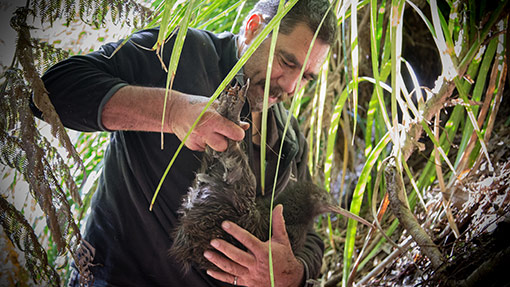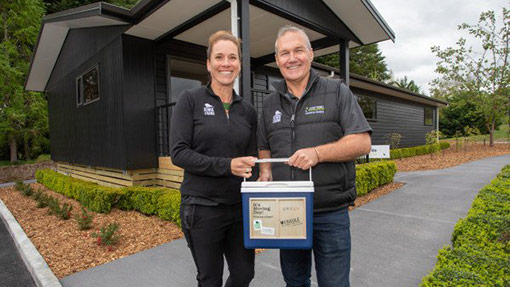
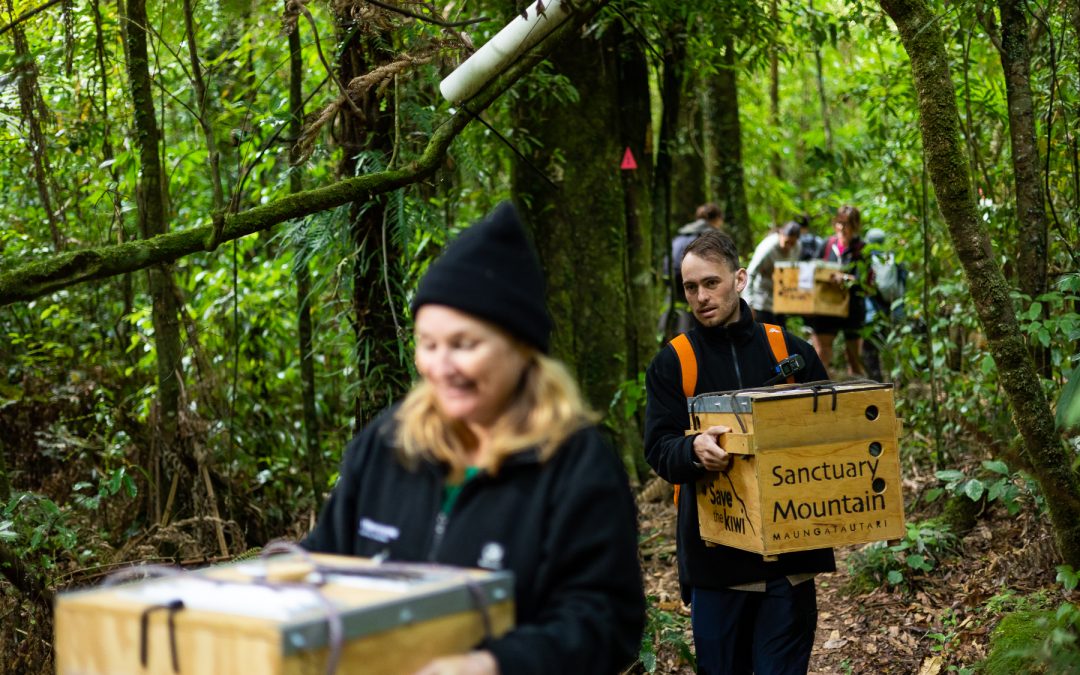
Sanctuary Mountain Maungatautari, Save the Kiwi, and mana whenua have made conservation history, with the cumulative total of kiwi translocated from the sanctuary surpassing 800. This figure is the result of just four years of translocations and represents the largest kiwi translocation programme undertaken from any one wild source site in Aotearoa New Zealand, placing it among the largest bird translocations globally.
The Sanctuary Mountain Maungatautari kiwi translocation programme, delivered in partnership with mana whenua, as part of the Save the Kiwi Kōhanga Kiwi* kaupapa, reflects a national effort to rebuild kiwi populations and return taonga to iwi and landscapes where they have long been absent.
The programme has been enabled by the 3,400-hectare predator-free environment of Sanctuary Mountain Maungatautari, where kiwi can live and breed safely and at scale.
The scale of the work – both in bird numbers and the spread of receiving sites – highlights Sanctuary Mountain Maungatautari’s role of national significance as the largest wild-breeding source site for kiwi translocations.
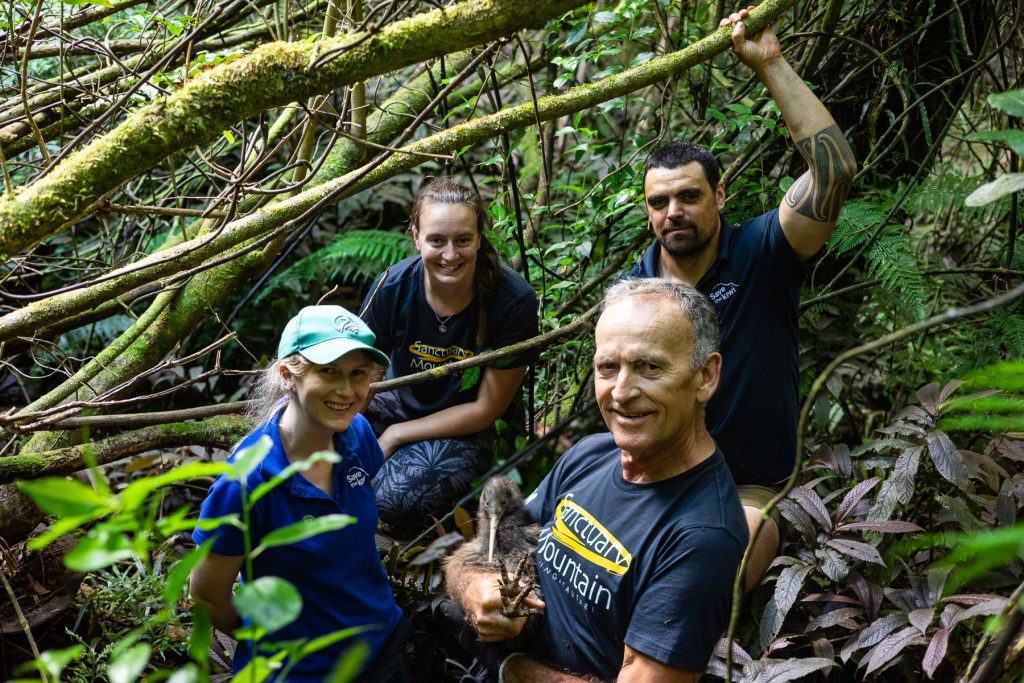
Photo credit: Lucy Schultz
Manu (birds) from Sanctuary Mountain Maungatautari’s 3,000-strong kiwi population have been released to four locations this season: Capital Kiwi (Wellington), Taranaki Mounga Project, Rangataua, and Tongariro. All sites have been through a formal tono process*, ensuring decisions are guided by tangata whenua and uphold cultural and ecological responsibilities associated with moving taonga species.
Sanctuary Mountain Maungatautari Chief Executive Helen Hughes says the achievement reflects the impact of sustained, collaborative conservation. “Translocating more than 800 kiwi shows what can be achieved from a sanctuary of our size. Being able to help build wild populations in other parts of the North Island, including providing 80% of the kiwi now residing in Wellington’s hills, highlights the strength and world-leading scale of biodiversity restoration happening at Sanctuary Mountain Maungatautari.”
Representative of Ngāti Korokī Kahukura, mana whenua of Maungatautari, Bodie Tihoi Taylor, says the programme reflects the responsibilities and aspirations of kaitiaki. “These kiwi carry the wairua of Maungatautari with them. The tono** process ensures their movement is grounded in tikanga and honours the relationships between iwi and these precious taonga, with the goal of one day seeing wild kiwi across the motu.”
Save the Kiwi Chief Executive Michelle Impey says the programme is reshaping what kiwi conservation can look like at scale. “It is less than a decade since Save the Kiwi worked with Sanctuary Mountain
Maungatautari and mana whenua to initiate and fund the work to add 336 kiwi to the population on the maunga as part of our national Kōhanga Kiwi kaupapa. With that stage behind us, the work of our two organisations’ highly skilled teams and volunteers continues to be the driving force behind the muster to catch, health check, and transfer kiwi off the maunga annually. “The programme has been enabled by the 3,400-hectare predator-free environment of Sanctuary Mountain Maungatautari, where kiwi can live and breed safely and at scale.”
Michelle adds, “This milestone is a strong show of partnership with us all bringing our respective skills to the table, and we are collectively we are growing North Island brown kiwi at a scale and pace never before witnessed in kiwi conservation.”
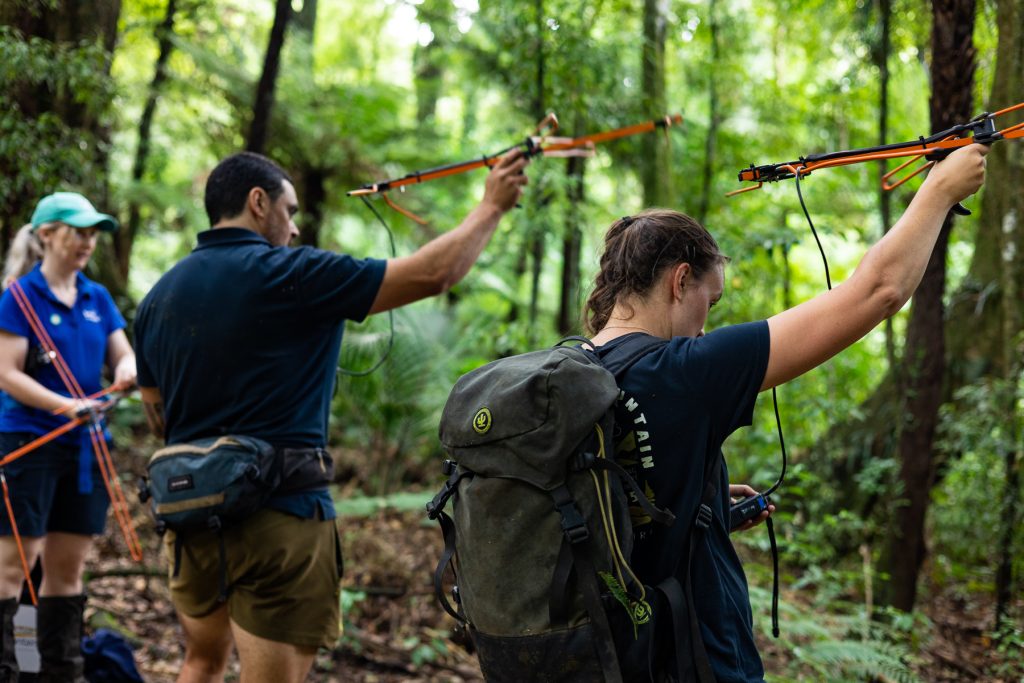
Photo credit: Lucy Schultz
Hughes says the sanctuary’s kiwi population growth reflects two decades of collective commitment. “Twenty years ago there were no kiwi on Maungatautari. Through the shared vision of the Trust, mana whenua, landowners, Save the Kiwi, DOC and countless others, 400 kiwi were introduced as the founding population – and that the kiwi population in the sanctuary has now grown to around 3,000. It is a clear indicator of what can be achieved if New Zealand is serious about backing a successful, long-term conservation vision.”
She says continued progress depends on sustained support.
“We are extremely proud of what has been achieved, but success in kiwi conservation is measured intergenerationally and we need to ensure ongoing funding is available to support this. These gains only hold if we, as a nation, continue to invest financially, invest in predator control, invest in habitat protection and invest in the partnerships that make this mahi possible. If we want kiwi to thrive for generations to come, we have to keep backing the work that makes that possible.”
* Kōhanga Kiwi works to increase kiwi population growth by taking kiwi eggs out of the wild, and raising them in captivity, then releasing them into predator-free kōhanga sites, such as Sanctuary Mountain Maungatautari.
**The iwi-to-iwi tono process provides a consistent framework for iwi leadership, cultural integrity, and long-term commitment to monitoring and protection at receiving sites. It is increasingly recognised as a strong model for best practice in Aotearoa and aligns with international expectations for community- led conservation.
Media contacts: