
It’s been a pretty busy 2025 for us at Save the Kiwi. Let’s look back at some highlights from this year.
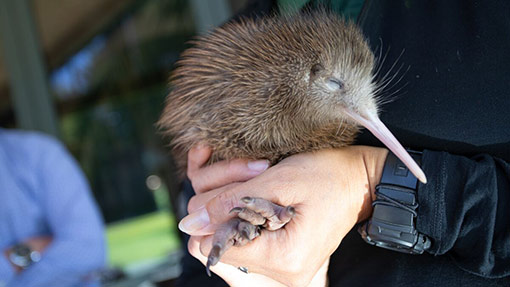
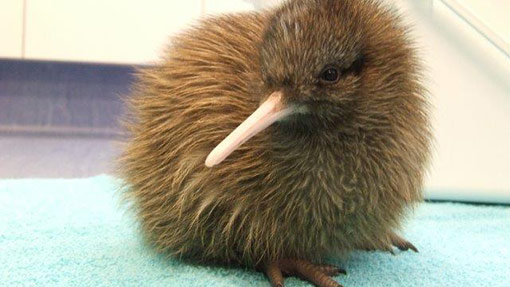
- The Gallagher Kiwi Burrow hatched its 400th chick in January. The chick was named Wai after the Wairakei Golf + Sanctuary where the Burrow is located.
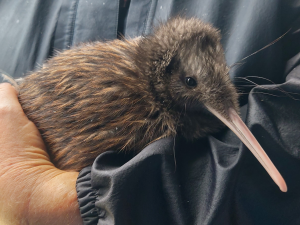
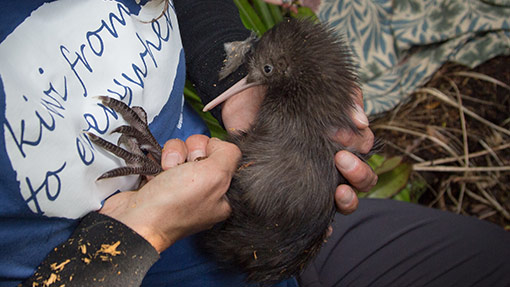
Wai before they were released back to Maungataniwha where they were lifted from as an egg.
- This year’s National Kiwi Hui, which was held in Rotorua in July, had the biggest attendance yet.
- While we’re sad that the Jobs for Nature funding officially closed this year, we look back at the amazing mahi that we were able to do through all the kiwi conservation groups. We were able to safeguard a massive 167,000 hectares of kiwi-safe habitat and created 227 FTE jobs around the country during the funding period. You can check out all the previous Jobs for Nature stories that we published over the years here.
- The Kiwi Art Trail 2024/2025 travelled around Te Ika-a-Māui the North Island – Tauranga, Napier, Whangārei, and Auckland, raising $150,000 for kiwi conservation.
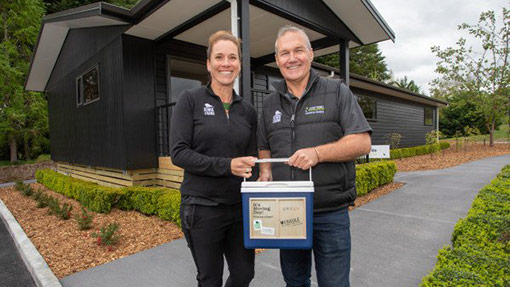
- Gallagher, one of our longest running sponsors, extended their support for a further three-year term
- Save the Kiwi Ambassador Dame Lisa Carrington raised $10,000 through a paw-some 2026 calendar featuring Colin the Cavoodle.
- The Napier Kiwi Creche had a glow up which includes a new shed for doing chick health checks and newly repaved paths.
- CEO Michelle Impey celebrated her 20 years of working at Save the Kiwi. Besides staying in a job with deep purpose, she shares her other reasons for staying in this blog post.
- This year, we said goodbye to Paul O’Shea, who decided to spread his vestigial wings after 13 years at Save the Kiwi, and to John Bissell, who will continue being a predator trapping expert for another conservation team. However, we also welcomed Janina Castro, who has been handling social media communications, Amy Giddens, who is helping raise kiwi at the Napier Kiwi Creche, and Clare Tyler, who has recently joined us as Finance Manager.
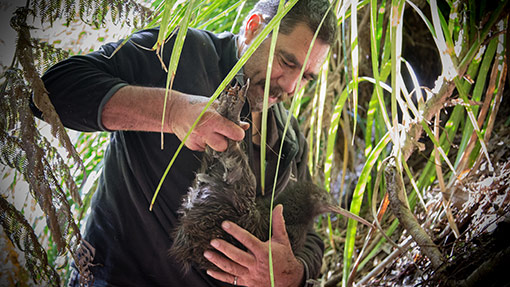
- During this year’s whakakaokao kiwi muster season, we were involved in the translocation of 324 kiwi. You can check out the Kiwi on the Move report for all the details.
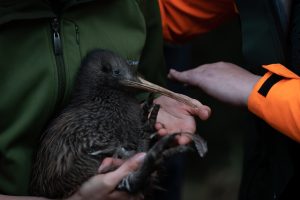
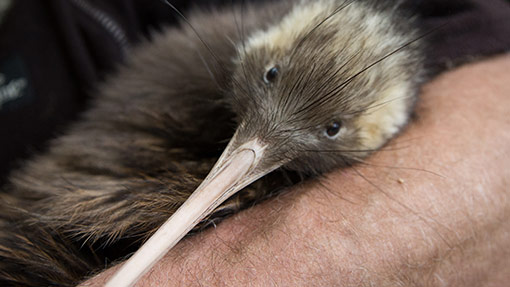
- We’re already seeing the effects of the translocations from earlier in the year. There are now North Island Brown kiwi chicks on Waiheke and kiwi pukupuku observed at the Brook Waimarama during their night tours (check out the fun footage here).
- Through the Kiwi Avoidance Training, more than 3000 dogs have undergone training. We held a wānanga in Wellington in October to induct more trainers to meet the growing demand.
- Members of our team were featured in the People Helping Nature Podcast with episodes discussing a range of kiwi conservation topics from the role of forestry to predator control, and kiwi & dogs to leadership. You can listen to the episodes through this Youtube playlist
- The team has been contributing to research whenever possible. We released ferret SOP and guidelines and started forestry research. We have also had interns who studied Kiwi Avoidance Training effectiveness, kiwi handling during their gravid period, and the historical movement and cultural importance of kiwi. On top of that, we’re also contributing to research about the artificial kiwi diet being undertaken by Massey University and kiwi facial bristles by Manchester Metropolitan University.
- The Raukūmara Pae Maunga and Save the Kiwi co-hosted the Kāhui Taiao Tūroa Symposium, bringing together experts in ungulate management, 1080 operations, biodiversity monitoring, mātauranga Māori, and climate advocacy. During the symposium, Minister Potaka announced a government investment of $6 million in the Raukūmara Pae Maunga project over the next three years.
With a full year behind us, we’re eagerly looking forward to 2026. Here’s a sneak peek: We’ve got kiwi translocations, the Kiwi Art Trail 2026, and a little birdie told us that the Whittaker’s Chocolate Kiwi is returning during Easter. There’s a lot to look forward to! We’ll see you all again after a much-needed summer break.