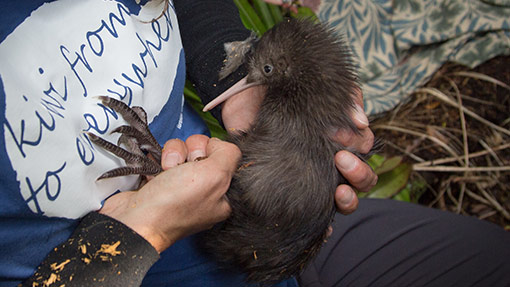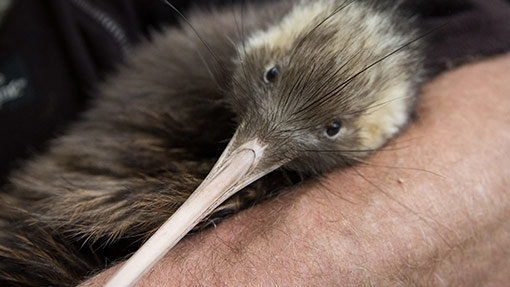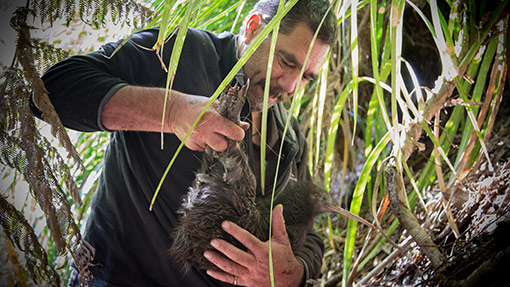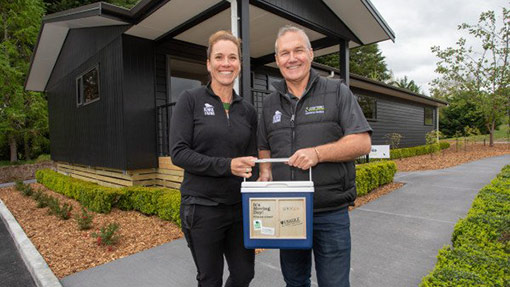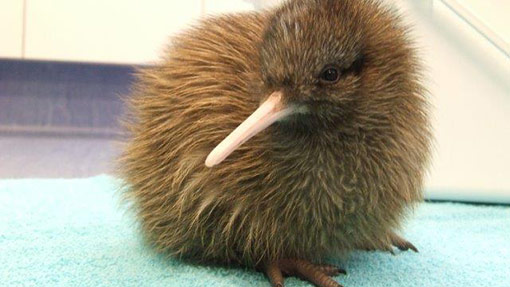
In order to achieve our goals, we need the right research behind us.
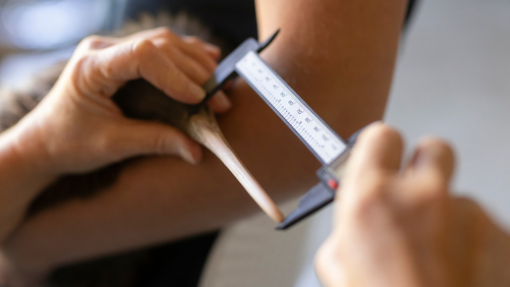
The research behind the mahi
Research is a vital component of kiwi recovery. We need to understand what needs to be done to save kiwi, not to mention where, why, and how. We also need to understand how to become more effective, efficient, and sustainable in our kiwi recovery practices.
In 1991, when the kiwi’s decline was first recognised, we knew very little about the state of the national kiwi population. Since then, surveys and monitoring, research, and the development of new technologies have created a large array of information and tools. This data has been used to amend and adapt programmes and has been crucial in the development of our Kōhanga Kiwi strategy.


Who is doing it?
Kiwi research brings together diverse collaborators including universities, zoos, iwi, private companies, the Department of Conservation Te Papa Atawhai, Manaaki Whenua Landcare Research, and many community-led kiwi projects.
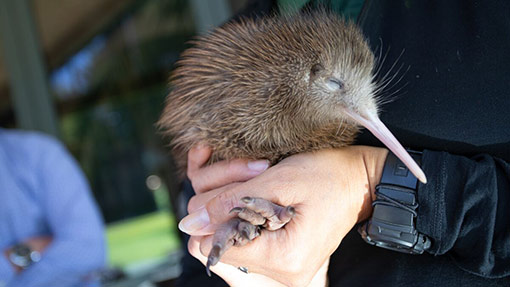
This cooperation has led to great innovations, such as new technologies to help field workers know exactly when eggs and chicks are ready to be collected for Operation Nest Egg.
We collaborate closely with research institutions to increase our knowledge about kiwi. Current research fields include habitat suitability in different ecosystems to better understand where kiwi are living, kiwi physiology and gut microbiome research to better understand how they use their environment, and the relationships of people and kiwi translocations.
Now, Save the Kiwi is at the forefront of research that aims to accelerate kiwi recovery. Currently there are research projects in the following fields:
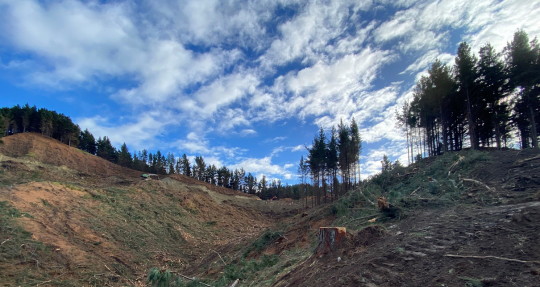
Kiwi population dynamics in production forests
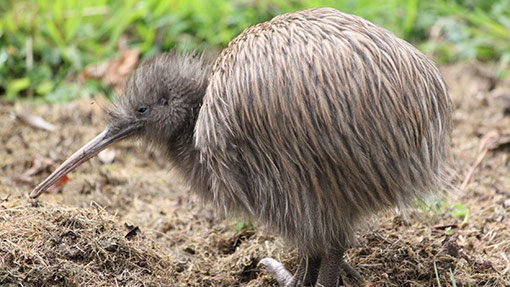
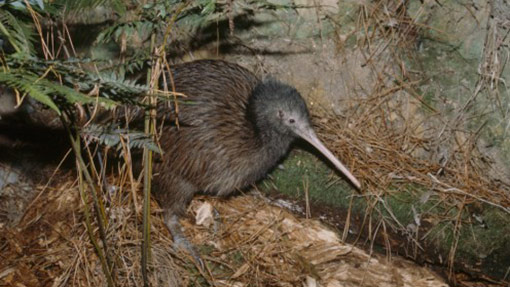
Kiwi can thrive in plantation forests where effective predator management is in place. Kiwi are known to be present in numerous forestry sites across the country, but there has been a lack of targeted research on their behaviour in these areas since the 1980s. Forestry and harvesting practices have changed since then and Save the Kiwi is collaborating with the University of Canterbury and the forestry industry to explore this knowledge gap.

Mapping out kiwi around the country
Save the Kiwi is using citizen science to build a comprehensive map of kiwi distribution throughout Aotearoa New Zealand. Check out the map and, if you’ve observed kiwi in the wild, submit a report.
Advocacy
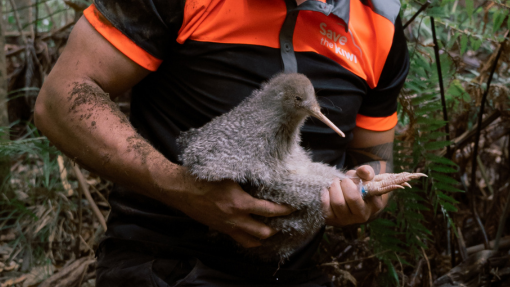
We’re all in this together. Save the Kiwi works to raise awareness about the plight of the kiwi and what is being done to help via social media, regular newsletters, and media publicity. (Photo credit: Josh Forrest)
Predator control
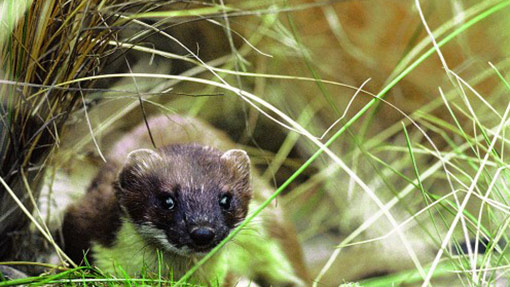
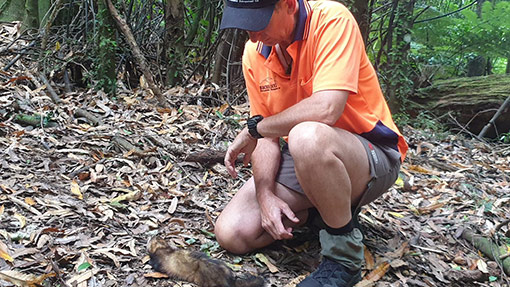
Stoats, ferrets, rats, dogs, and other predators are the greatest risk to the kiwi population. Find out more about predators, the harm they cause to our native taonga, and what we can do to help.

Kiwi Avoidance Training
Dogs are the biggest threat to adult kiwi. Learn about a method that can successfully teach dogs how to avoid kiwi when they come across them in the wild. (Photo credit: Jenny Feaver)

Gallagher Kiwi Burrow
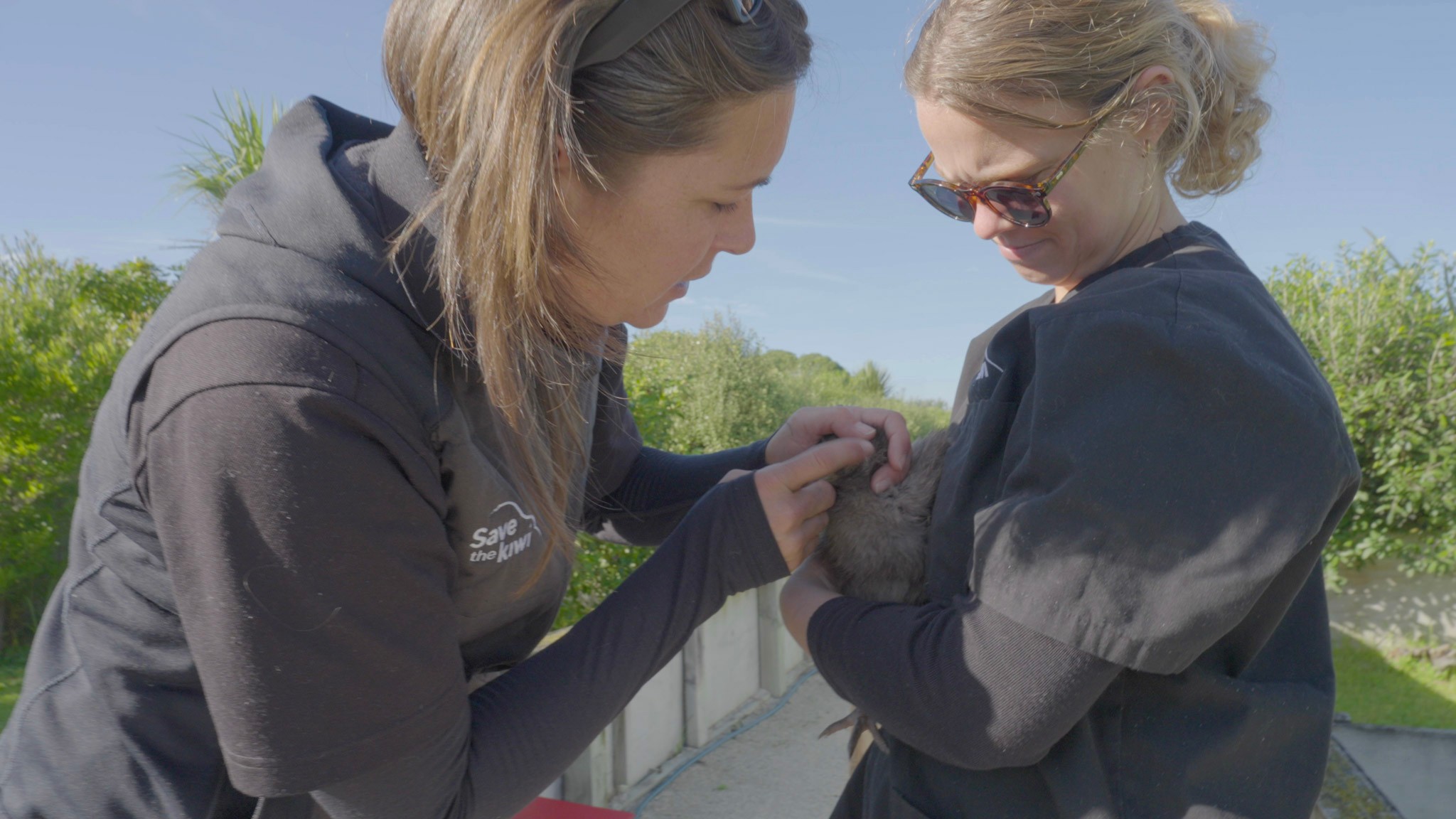
The Gallagher Kiwi Burrow (formerly known as the Crombie Lockwood Kiwi Burrow) is Save the Kiwi’s kiwi incubation, hatching, and brooding facility. Learn about the facility and the chicks that temporarily call this facility home.
Napier Kiwi Crèche
The Napier Kiwi Crèche is where young kiwi can grow safely until they are large enough to cope better with introduced predators before being released into the wild. Learn how we prepare kiwi chicks to live out in the wild.
Kōhanga Kiwi
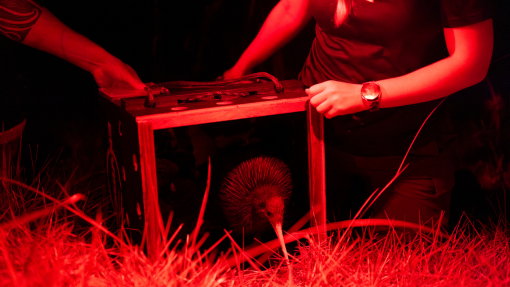
Kōhanga Kiwi is a ground-breaking strategy that both preserves current numbers of kiwi and increases them. Learn about this world-leading conservation initiative. (Photo credit: Alex McVinnie)
Whānau, hapū, iwi & kiwi
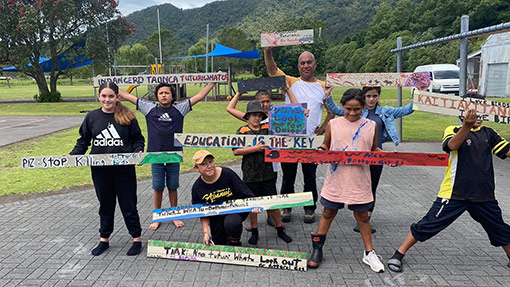
Kaitiakitanga is integral to the spiritual, cultural, and social life of tangata whenua. Find out how Save the Kiwi is committed to supporting Māori leadership in kiwi and wider efforts to restore the health of the whenua.
Funding
Since 2002, Save the Kiwi has allocated millions of dollars in conservation funding. If your community group works to save the kiwi, you could be eligible for kiwi conservation funding. (Photo credit: Jenny Feaver)
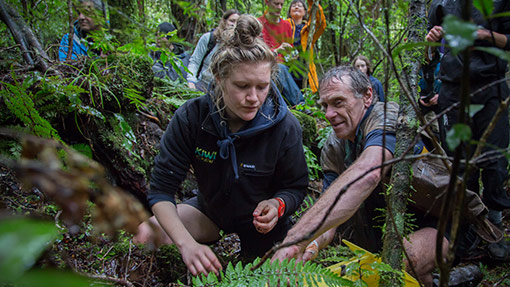
Research
An enormous amount of research about the kiwi population has been undertaken over the years. Learn about the research behind Save the Kiwi’s vision.