SAVE THE KIWI
ANNUAL REPORT 2024/25
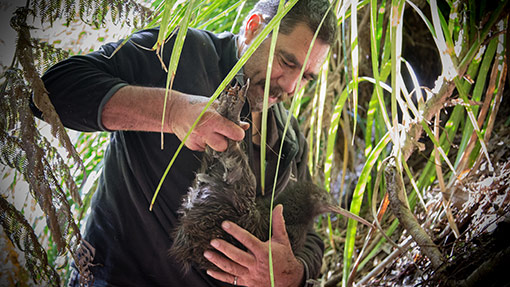
It’s been another year of milestones and great achievements for Save the Kiwi. Our highly skilled team coordinated the translocation of 324 kiwi to their new homes. Translocations are an essential tool for growing the kiwi population, as the suitable habitat is sometimes so far away from the nearest wild population that it would take decades for them to naturally disperse.
Translocations are key to making our Kōhanga Kiwi kaupapa the success that it is. Working with the team on the ground at Sanctuary Mountain Maungatautari, we caught and safely transferred 273 kiwi to sites on the west side of the North Island. We supported the transfer of 41 kiwi pukupuku from Kapiti Island (arguably the country’s original kōhanga site, and the inspiration for our North Island brown strategy) to Brook Waimārama Sanctuary in Nelson. We had thought this was the first time kiwi pukupuku had set foot on Te Wai Ponamu (South Island) in over a century, but a mere few weeks later a remnant wild population was discovered by a hunter. A double success story for our smallest kiwi species.
But the translocation that grabbed the headlines the most was the establishment of a kiwi population on Waiheke Island, an extension of Auckland’s urban population, and made possible thanks to the hard work to Te Korowai o Waiheke and all their partners to make it suitable habitat.
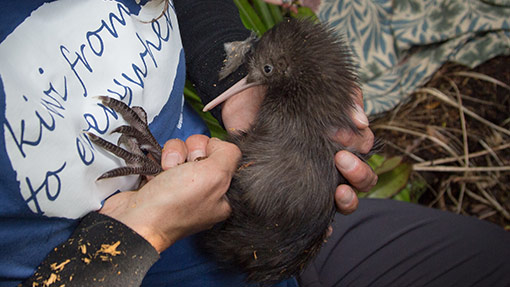
This speaks to the sweet spot that Save the Kiwi operates in – kiwi where the people are. Our vision is to see kiwi go from endangered to everywhere, and for all New Zealanders to be able to (relatively easily) experience our national bird in the wild. We have started to reshape our long term goal to align this, and how we actually measure what ‘’everywhere’’ means. We look forward to sharing this next year.
Translocations are key but the other main way we are growing kiwi, and is above all what kiwi need, is by protecting them where they already live (aka in situ) via pest and predator control. This manifests in a number of ways.
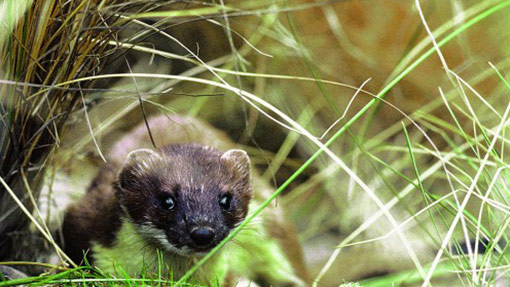
We provide over $400,000 per annum in grants to community/iwi-led conservation groups, and provide them with support and training. This year we published the Ferret Standard Operating Procedures (SOP) and Ferret trapping guidelines, written by our national predator control advisor, John Bissell. In addition, we are working with the Forest Owners Association to support them in understanding and protecting kiwi in their forestry blocks. We are leading a piece of research to understand kiwi behaviour during harvest, which will help forest owners know the best course of action to protect the kiwi in their forest.
Another particular project we are involved with that is having a significant impact is the large scale, iwi-led forest restoration project called Ruakumara Pae Maunga (RPM). Through the employment of two individuals from Te Whānau ā Apanui, Save the Kiwi has made a genuine contribution to its success. We look forward to working in partnership with RPM to deliver a nation-wide programme of work to share this lived experience with other hapū/iwi who wish to be professional practitioners and decision makers in this mahi.
We have made great progress with Kiwi Avoidance Training with a significant investment in a new database and app which will allow for much more efficient scheduling and data management of the programme. We currently have 50 trainers nationwide and saw more than three thousand dogs trained this year. KAT can reduce the risk of a dog attacking kiwi, but is not a silver bullet, and with that in mind we are also working on a resource called Dog Owner Guidelines, to provide further information to support dog owners keen to do the right thing to keep their dog and wildlife safe. We strongly believe (and have examples of it) that kiwi can thrive in the presence of dogs if they have humans who are responsible dog owners.
Financially we are blessed to have a committed stable of corporate sponsors, and consistent funding from Central Government via the Save Our Iconic Kiwi funding package. We successfully bid to Treasury (in partnership with DOC) for this in 2016, and are very pleased that it endures to this day.
However, the end of this financial year also marked the conclusion of our five-year, $19.7m Jobs for Nature Funding package. We are incredibly proud of what we achieved with this funding and will be releasing an impact report early 2026. As a sneak preview of the report, (spoiler alert) we smashed our goals of hectares under pest and predator control (with 167,000ha in total vs target of 104,000) and 227 full time equivalents (FTE) created vs a goal of 100.
But the biggest benefit and gain from this funding was that we had a moment in time where this critical work was funded at a sufficient level to properly resource the people and tools needed, and it was assured for a five-year period. It recognised conservation work as a skilled career path and allowed us to pay a fair salary/wage for this. Although this funding package has concluded, the benefits of creating a skilled taiao workforce will endure.
We are grateful to the incredible team of skilled people who have joined Save the Kiwi and who remain. To our board, thank you for your support and faith in our team and the work we do, and a special welcome back to Dr. John McLennan, one of our founding Trustees who has rejoined the board after stepping away for a few years.
Our long-term goal is that we (collective ‘we’ in the conservation space) are so successful that we put ourselves out of business, but until then, there is much work to be done. And we are definitely up for the task.
|
Richard Leggat
|
Michelle Impey
|


In the Numbers
KIWI HATCHED at the Gallagher Kiwi Burrow
KIWI TRANSLOCATED in Save the Kiwi programmes
HECTARES of safe habitat created through Jobs for Nature
NZD raised through Kiwi Art Trail
KIWI CRECHED at the Napier Kiwi Creche
DOGS that underwent Kiwi Avoidance Training
FTE (full-time equivalents) created through Jobs for Nature
Celebrating Everyday Kiwis saving kiwi

“Conservation is the thing I care most about” Gaia O’Hare shares her passion for kiwi conservation.

Bev Wilkinson has been working with kiwi for more than 20 years. Now she’s helping the bring back the Eastern population of brown kiwi at the Napier Creche.
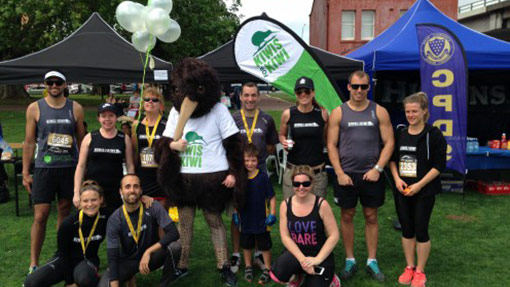
Kiwi Art Trail in its second year

In its second year, the Kiwi Art Trail visited four locations around Te Ika-a-Māui “the North Island” – Tauranga, Napier, Whangārei, and Auckland.
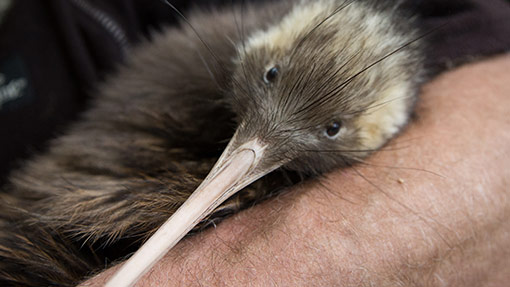
400th chick hatched at the Gallagher Kiwi Burrow
Wai, the 400th kiwi chick to hatch at the Gallagher Kiwi Burrow, arrived in the early hours of 21 January 2025. The chick was named after the Wairakei Golf + Sanctuary, where the burrow is located. This milestone was achieved with the support of Gallagher Insurance New Zealand who have been loyal and engaged supporters since the facility first opened in 2019.


Kiwi on the move

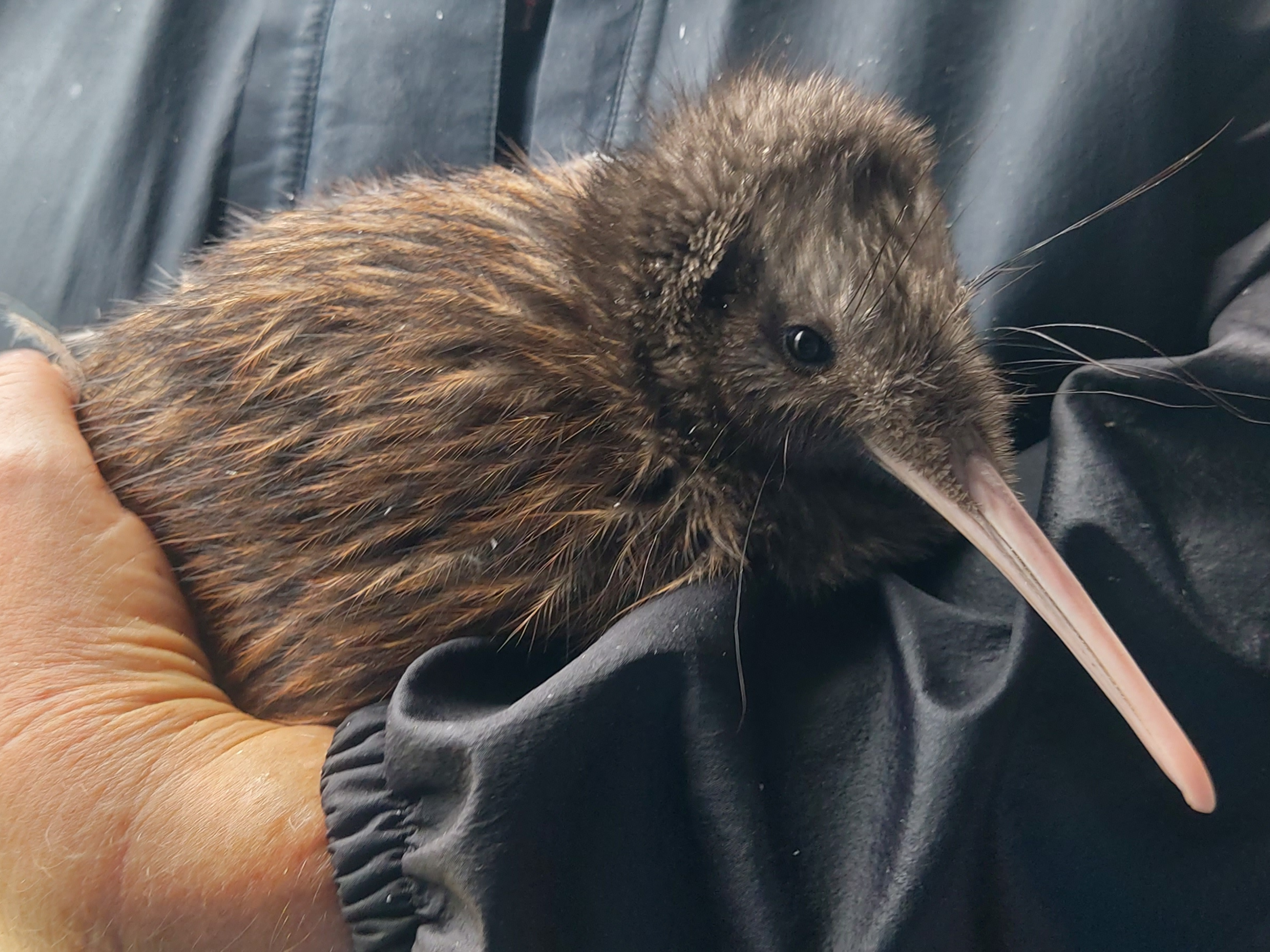
This year, Save the Kiwi worked with our partners to ensure hundreds of kiwi made it to their new, safe homes in the wild.
From Kapiti Island to Nelson
The first kiwi pukupuku were returned to the South Island, with the translocation and release of 40 little spotted kiwi from Kapiti Island to The Brook Waimārama Sanctuary in Nelson.
From Pōnui to Waiheke
Waiheke Island became the first urban area in Auckland where kiwi have been reintroduced, with the translocation and release of 10 kiwi from neighbouring Pōnui Island.
From Sanctuary Mountain Maungatautari to Tongariro, Taranaki, and Wellington
The third year of kiwi translocations from Sanctuary Mountain Maungatautari saw 273 kiwi transferred from Maungatautari to their new homes in Tongariro, Taranaki, and Wellington.
About Kōhanga Kiwi
Kōhanga Kiwi is a world-leading kiwi repopulation strategy driven by Save the Kiwi that aims to supercharge the national kiwi population by 2% annually. We work in partnership with whānau, hapū, iwi, the Department of Conservation Te Papa Atawhai, landowners, kiwi conservation projects and groups, organisations, and everyday people who are passionate about saving our national icon.
Kōhanga Kiwi works hand in hand with Operation Nest Egg, the national strategy to manage kiwi populations all over New Zealand, but it takes that population growth one step further. Kōhanga Kiwi works to increase kiwi population growth by taking kiwi eggs out of the wild, incubating, hatching, and raising them in captivity, then releasing them into predator-free kōhanga sites where they’ll live the rest of their days finding a mate, breeding, and generally living their best life without fear of predators.
Eventually, when these kōhanga sites have reached capacity, the offspring of the original founder population will be either returned to the regions where their ancestors came from or used to bolster existing populations or create new ones.
Meet our sponsorship whānau










Sponsor feature


The team
Leadership team
|
Michelle ImpeyManahautū |
Ross HalpinPou Matua Rapu Pūtea |
Tineke JoustraPou Matarau |
|
Paul O’SheaPou Tahua |
Morgan CoxPou Uruao a Motu |
Ora BarlowPou Uruao a Motu |


Board

Richard Leggat |

Lady Jennie Fenwick |

Joe Harawira |

Dr. John McLennan |

Ruud Kleinpaste |

Kate Graeme |

Alistair Ryan |
Financials
Revenue and Expenses
Revenue
Fundraising revenue
Donations, sponsorship and royalties
Grant revenue
Interest, dividends and other investments
Total revenue
Expenses
Conservation project funding
Fundraising expenses
Organisational support
Total expenses
Net surplus/(deficit) attributable to The Kiwi Trust
Balance Sheet
CURRENT ASSETS
Cash at bank
Debtors and prepayments
Property, plant, equipment and investments
Total assets
CURRENT LIABILITES
Creditors, accrued expenses and employee costs payable
Deferred revenue (grants with conditions)
GST payable
Total current liabilities
Total assets less total liabilities (net assets)
Annual contestable funding grants

70% Predator Control
Controlling predators in kiwi habitat is the prime focus of the hundreds of community-led kiwi conservation groups around the country. The work done also provides a haven for other native birds, reptiles, and insects. Save Our Iconic Kiwi funding helps these projects set up and maintain hundreds of trap lines that form a protective shield against invasive pests and predators like stoats, ferrets, and rats. This safe habitat will be home to the increased numbers of kiwi that we will breed in years to come.
15% Project support
To coordinate projects that rely heavily on volunteers and run 365 days a year often requires full-time staff support.
We recognise the necessity of these roles and provide administration and project support funding. We also support advocacy work and kiwi avoidance training for dogs.
9% Monitoring & translocations
In order to know when we can lift eggs, keep an eye on the overall health and genetic diversity of kiwi populations, and understand what’s going on in the wild, we need to monitor kiwi. Translocations are used to manage genetic diversity, move kiwi into underpopulated, but protected, areas, and support ONE.
5% Operation Nest Egg
Rearing chicks in secure facilities gives them the best chance of surviving until they reach around 1kg in weight, at which point hey are much less vulnerable to predation. Operation Nest Egg (ONE) is a highly effective way of increasing the survival rates of kiwi chicks so they have more chance of reaching breeding age and contributing to increasing kiwi populations.